The right workspace helps your business trade confidently, serve customers and grow. The wrong one can tie up cash, time and energy before you’ve even got the keys properly settled.
When you compare commercial property to rent in Kent, “location, location, location” matters, but so does the condition of the unit. A fitted space may let you get to work quickly. A blank canvas gives you more control over the layout and finish, but usually demands a bigger investment before opening day.
So which is right for you? Whether you’re moving out of a spare room or “man cave”, or relocating an established operation, this guide will help you weigh the trade-offs and choose a space that fits the way you work.
What do “fitted” and “blank canvas” really mean?
A fitted unit is prepared, at least in part, for occupation. Depending on the property, that may mean finished flooring, lighting, power points, data cabling, internal offices, kitchen facilities or desks. Always check exactly what is included: “fitted” can mean different things from one unit to the next.
A blank-canvas unit may be an empty shell, workshop or industrial space with little more than the basic structure and services. You plan how to divide, equip and finish it for your business. That could mean installing workbenches and storage, or creating offices, a client area and specialist equipment zones.
Choose fitted space when getting started quickly matters
If you need to meet clients, separate work from home or get staff into a professional base soon, a fitted space can remove several steps between signing and trading.
You may avoid organising tradespeople, sourcing materials and managing a project. If desks, offices, facilities or cabling already suit your needs, you can put more of your attention into customers and day-to-day operations. That speed can be especially valuable for startups working to a launch date or businesses moving because their current premises no longer work.
Fitted doesn’t necessarily mean “perfect as it is”, though. The layout may not match your workflow, and you could end up paying for features you don’t need.
Practical tip: At a viewing, make a room-by-room list of what is already usable, what needs repair and what you would still need to buy. Confirm the condition and included fixtures in writing before agreeing terms.
For office-based businesses, AHC Property’s office spaces include options from 50 sq ft, with furnished or unfurnished spaces. The right choice depends on the particular unit and its current specification.
Choose a blank canvas when your operation needs control
A blank canvas can be the better fit when your business depends on a specific layout or specialist setup. A maker may need workbenches and storage arranged around production; a distributor may prioritise stock and access; a creative business may need open studio space. Building the layout around your real workflow can make the unit work harder for you.
But there’s a catch: fitting out a blank unit costs money and takes time. Costs can include flooring, partitions, lighting, electrical work, cabling, furniture, professional advice and approvals. Depending on the work, you may also need to consider ventilation, fire safety and accessibility requirements.
As a broad budgeting illustration, one Kent fit-out guide puts a mid-range office fit-out at around £45–£75 per sq ft. On that basis, a 500 sq ft office could imply approximately £22,500–£37,500 for fit-out works alone. This is an indicative range, not a quote: the unit’s condition, specification and scope of work can change the figure significantly. Get itemised quotations before making a decision.
The project also has a time cost. While work is underway, you may be paying rent or other occupancy costs before the space is ready to use. You may need to coordinate contractors, arrange supplies and secure consent for alterations. And when the lease ends, the agreement may require you to remove some of the improvements.
Practical tip: Before viewing, sketch your ideal layout and list essential services, such as power, water, broadband, loading access or ventilation. Ask what the unit already provides and what the landlord will permit you to install.
AHC’s workshops and industrial units offer different kinds of space for practical, production and storage needs. Across its Thanet and East Kent range, unit sizes run from 50 to 5,000 sq ft, so it’s worth checking whether a suitable starting size is available before committing to a costly fit-out.
Compare the total cost, not just the rent
The cheapest advertised rent is not always the lowest-cost option overall. To compare a fitted unit with a blank one, think about the full period you expect to occupy it.
For a fitted unit, include:
Rent and any service charge or insurance contribution
Utilities, business rates and internet
Furniture, equipment or changes you still need
Any rent premium compared with a less finished unit
For a blank unit, include those same occupancy costs, plus:
Fit-out works, professional fees and approvals
Furniture, machinery and service upgrades
Rent or other costs during the fit-out period
A contingency for unexpected work
Potential reinstatement costs at lease end
A simple way to think about it: compare the extra rent for the fitted unit over your expected lease term with the cost of making the blank unit usable, including delays and any future reinstatement. A blank canvas may be worthwhile if you’ll use the space for long enough, need a specialist layout, or can agree a landlord contribution. For a shorter commitment or a business that needs to open soon, a ready-to-use unit may be the more practical choice.
Check the lease before planning your fit-out
A conversation about fit-out should happen before you sign, not after the furniture arrives. Confirm the unit’s delivery condition, which works are yours and which are the landlord’s, and whether you need consent for alterations. Be clear about who pays for agreed works, when they will be completed and whether you must remove them later.
The RICS Code for Leasing Business Premises recommends setting out initial fit-out obligations and any landlord contributions in the heads of terms and lease. It also addresses alterations and reinstatement. The Code is a useful framework for clearer discussions, but it is not a substitute for advice on your lease.
Practical tip: Ask your solicitor to check the fit-out, alterations and reinstatement wording. Agree the unit’s condition and what stays when you leave before spending money on improvements.
Match the space to the stage of your business
For a startup leaving home, flexibility and limiting upfront costs may matter most. A fitted office or smaller multi-use unit can provide a professional address and room to focus without turning your first premises into a major construction project. If you’re looking for business space for startups in East Kent, consider what you need now and how quickly those needs could change.
For an established business, the balance may be different. A well-planned blank unit can support a long-term workflow, equipment setup or storage arrangement. But relocation is already disruptive: weigh the benefits of customising against the time and capital the project will demand.
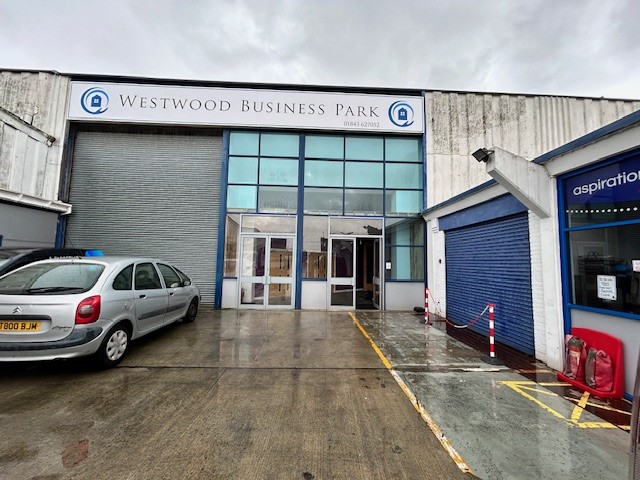
AHC Property manages Westwood Business Park in Margate, a secure site with 24-hour CCTV and flexible short- and long-term lease options. Equipment including trolleys, pallet trucks, forklifts and scissor lifts is available for tenant use. Those facilities may help businesses whose day-to-day operations involve moving goods or equipment, but check that the specific unit and access arrangements suit your requirements.
A quick decision checklist
Before you choose, ask yourself:
How soon do I need to trade? If timing is critical, fitted space may reduce delays.
What must the unit do? List essential facilities and operational requirements.
Can I fund the fit-out without squeezing working capital? Include a contingency, not just the first contractor estimate.
How long do I expect to stay? A longer-term plan may better justify investing in a tailored layout.
What do the lease terms say? Check permitted use, alterations, contributions and reinstatement obligations.
Can the space support growth? Consider whether you can adapt, expand or move to a different-sized unit later.
The best unit is not automatically the most polished or the cheapest. It’s the one that lets your business work effectively, at a total cost and pace you can manage.
As Walt Disney put it, “The way to get started is to quit talking and begin doing.” Start with a clear list of must-haves, then compare real units against your budget and timescale. Browse AHC Property’s current availability and arrange a viewing to discuss what is available across Thanet and East Kent. Availability can change, so confirm the details of any unit that interests you.
Ready to make the move? Compare the space, the fit-out and the lease together, and choose the premises that gives your business a solid base for its next stage.


 Mailing Address ServicesA business address in Kent
 Self Storage UnitsSpace for stock and equipment
 Office RentalsOffice space for your team
 Workshop RentalsWorking space for trades and makers
 Commercial StudiosCreative and client-facing rooms
 Retail SpacesCustomer-facing units
 Industrial RentalsUnits for production and stock
 See available units Menu images are illustrative